Influence Profile
No genre data available
Genre information will appear here once available
Trending in Lee "Scratch" Perry’s World
Latest Album
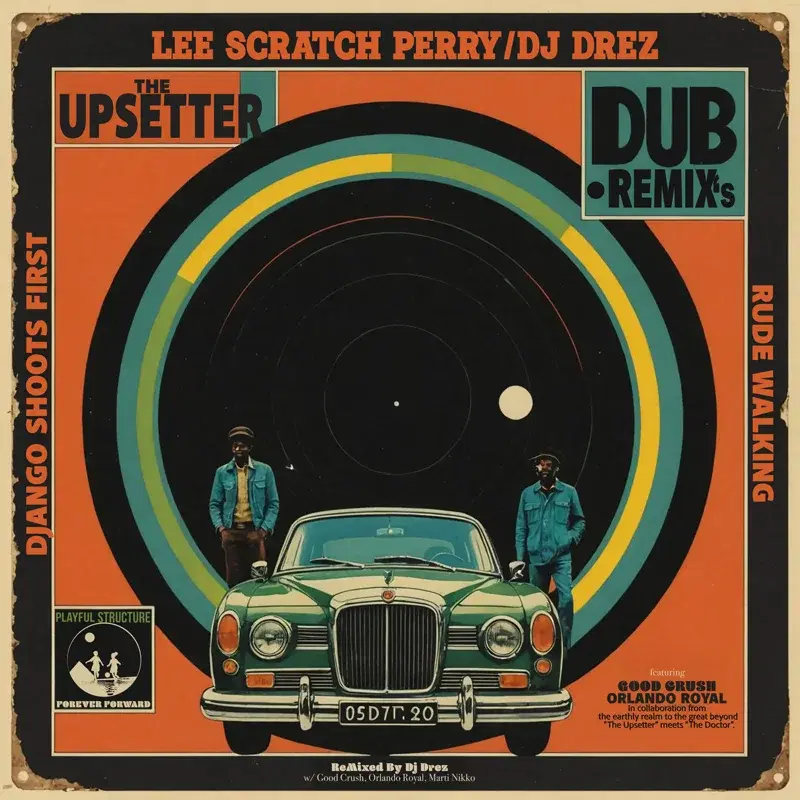
Rude Walking
Released Jun 27, 2025
Trending Globally
No trending songs available.
Story
Quick Facts
Born
1936
1936
From
Jamaica
Jamaica
Journey
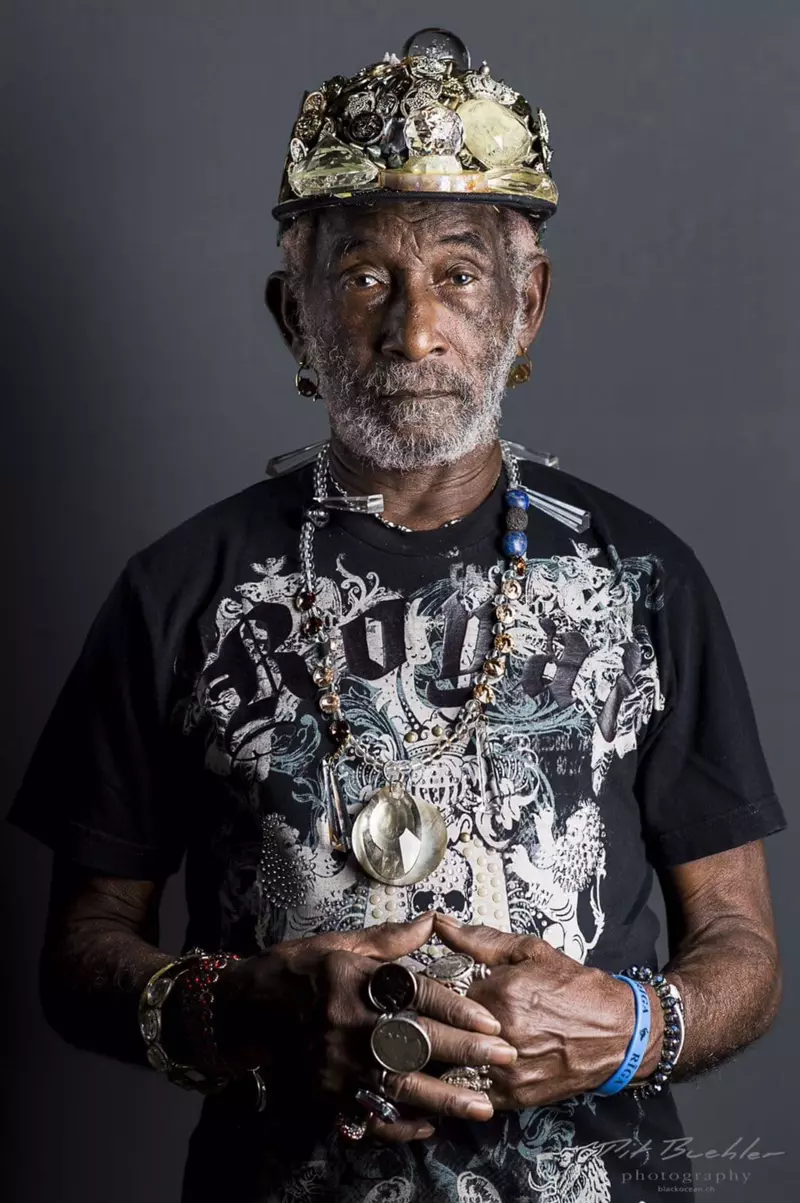
Rainford Hugh Perry, stage name Lee “Scratch” Perry, born in rural Jamaica, became one of the country's most unconventional recording figures. He arrived in Kingston in the early 1960s and found work within the city's emerging recording industry, gaining experience at Studio One and other major Jamaican operations. Rather than remaining behind someone else's label, Perry gradually built an independent identity, establishing Upsetter Records and forming the Upsetters in the late 1960s. His nickname “Scratch” came from one of his early recordings, “Chicken Scratch.”
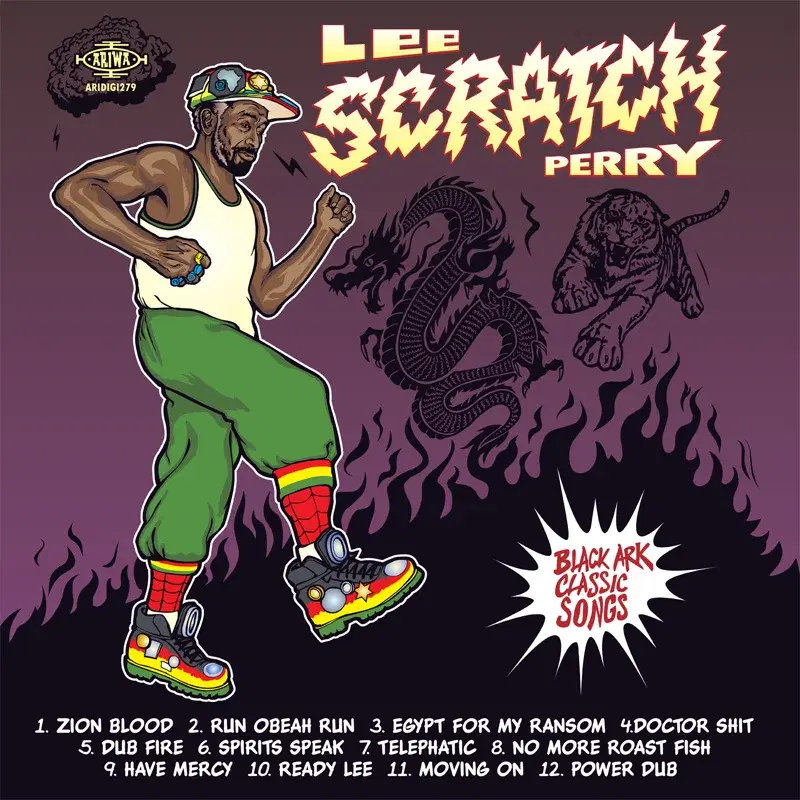
Perry's most influential work emerged from Black Ark, the small Kingston studio he established in 1973. He approached recording as an act of invention, manipulating rhythm tracks, tape, echoes, voices and incidental sounds instead of simply documenting performances. The resulting productions helped shape dub and gave reggae production a new level of creative freedom. Bob Marley and the Wailers, Max Romeo, Junior Murvin, the Congos and the Heptones were among the artists connected to his most important period.
Albums and productions such as "Super Ape," "War Ina Babylon," "Police and Thieves" and "Heart of the Congos" established the Black Ark period as a defining chapter in Jamaican recording history. Perry's influence later reached artists outside reggae, including The Clash and the Beastie Boys, while his production philosophy became relevant to hip-hop and electronic music.
Black Ark was destroyed by fire in 1983, but Perry continued recording and performing internationally for the remainder of his life. He received five GRAMMY nominations and won Best Reggae Album for "Jamaican E.T." in 2003. Perry died in Lucea, Jamaica, on August 29, 2021, aged 85. His enduring contribution was his redefinition of the producer's role: he treated the studio itself as a creative instrument and turned experimentation into part of the composition.